
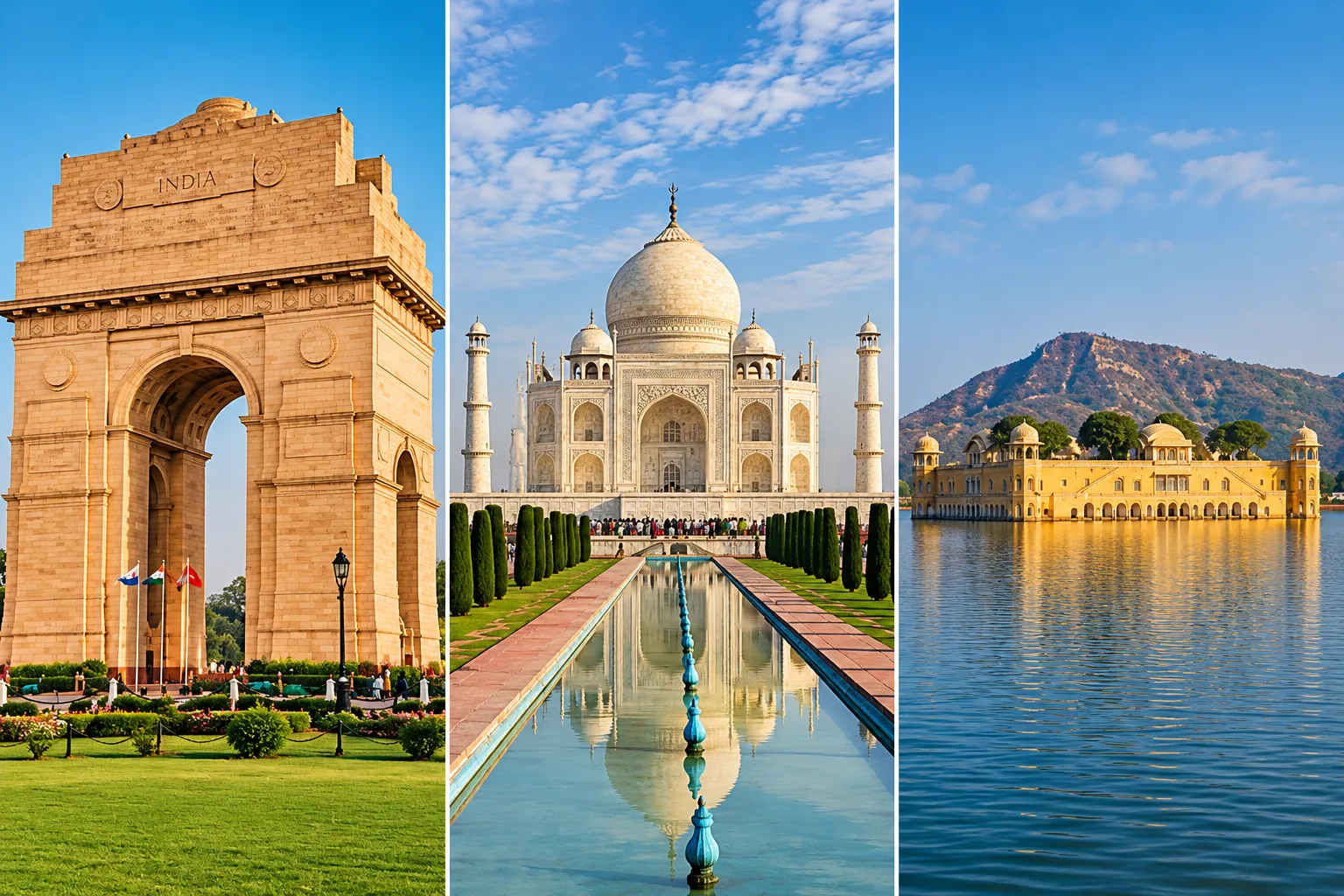
India’s Golden Triangle is one of the most popular travel routes for visitors who want to experience the country’s history, architecture and culture in a single trip. Connecting Delhi, Agra and Jaipur, this journey brings together historic monuments, Mughal heritage, royal palaces, traditional markets and distinctive regional food.
Each destination has its own character. Delhi combines historic landmarks with the energy of a modern capital. Agra is famous for the Taj Mahal and its Mughal architecture, while Jaipur introduces travellers to Rajasthan’s royal heritage and colourful traditions.
Whether you are visiting India for the first time or planning a return journey, a well-organised Golden Triangle tour can help you explore these destinations without rushing between attractions. Here is how to plan your route, decide how many days to spend and make the most of your trip.
What Is the Golden Triangle Tour?
The Golden Triangle is a travel circuit connecting Delhi, Agra and Jaipur. The three cities form a rough triangle on the map and are connected by road and rail.
The route is popular because it offers a varied introduction to northern India. Travellers can explore historic forts, royal residences, Mughal monuments, busy bazaars and local food traditions within one itinerary.
Delhi is generally the starting point because of its international airport and transport connections. Agra is the main destination for visitors interested in the Taj Mahal, and Jaipur completes the journey with its forts, palaces and Rajasthani culture.
The route can be completed in different ways depending on your arrival time, interests and available holiday days. A shorter trip focuses on the main landmarks, while a longer itinerary allows more time for local experiences and relaxed sightseeing.
Day 1: Explore Delhi’s Historic Landmarks
Delhi is an excellent starting point for a Golden Triangle tour. Its history spans several periods, and the city offers everything from monumental architecture to traditional markets and modern neighbourhoods.
Begin by choosing the attractions that best match your interests. India Gate is a prominent landmark, while Humayun’s Tomb is known for its Mughal architecture and landscaped surroundings. Qutub Minar is another important historic site that showcases the architectural heritage of the Delhi Sultanate.
If you want to experience the city’s older character, consider exploring Old Delhi. The area around Chandni Chowk has busy streets, historic buildings, traditional shops and local food establishments. A guided walk can help you understand the neighbourhood’s history and navigate its crowded lanes.
Delhi has more attractions than most visitors can cover comfortably in one day. Select a realistic combination of landmarks rather than attempting to visit everything.
If your international flight arrives on the same day, consider allowing time to rest before beginning a full sightseeing schedule.
Day 2: Travel from Delhi to Agra
Agra is known around the world for the Taj Mahal, but its historic significance extends beyond this famous monument. The city played an important role during the Mughal period and contains several sites associated with that era.
The journey from Delhi to Agra can be made by road or train. Travel time depends on your starting point, traffic, train schedule and other conditions, so confirm the arrangements before finalising your itinerary.
After arriving, you can visit Agra Fort, a major historic complex featuring courtyards, palaces and defensive structures. The site provides valuable context for understanding the Mughal rulers and their architectural legacy.
Depending on your arrival time, you may also explore local markets or enjoy a meal featuring regional specialities. Agra is known for petha, a traditional sweet that many visitors try during their stay.
Avoid scheduling too many attractions immediately after a long journey. Keeping the afternoon flexible can make the day more comfortable, particularly if you plan to visit the Taj Mahal early the following morning.
Day 3: Visit the Taj Mahal and Continue to Jaipur
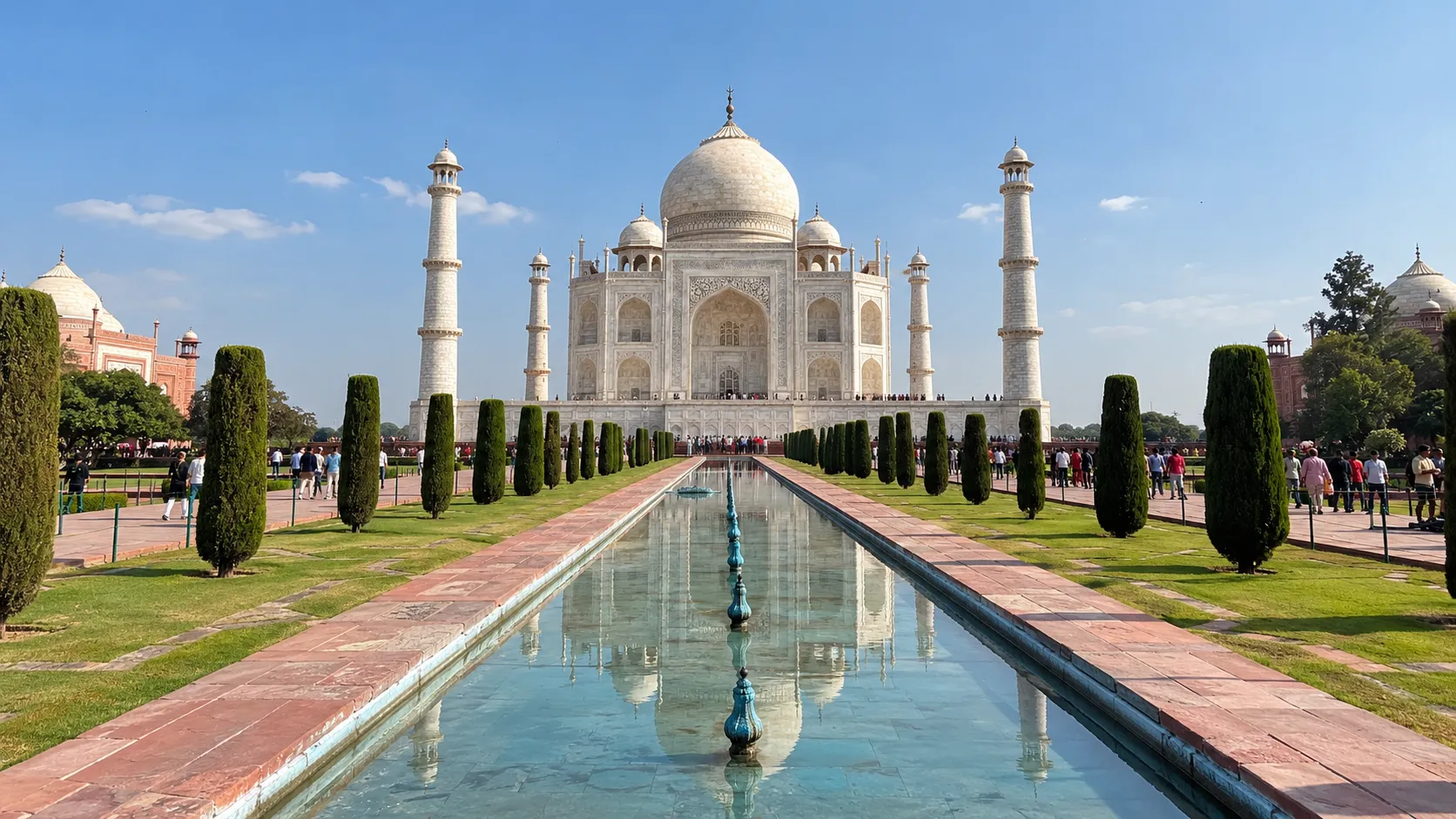
For many travellers, the Taj Mahal is the highlight of the Golden Triangle tour. This white-marble mausoleum was commissioned by Mughal emperor Shah Jahan in memory of Mumtaz Mahal and is recognised as a UNESCO World Heritage Site.
An early visit can offer a different atmosphere from the busier hours later in the day. However, opening arrangements, weekly closures and entry requirements should always be checked before your visit.
Take time to appreciate the symmetry, marble inlay, architectural details and landscaped gardens. The monument is not simply a photographic landmark; understanding its history makes the experience more rewarding.
After visiting the Taj Mahal, you may continue to Jaipur by road or arrange another suitable connection. The journey requires several hours, depending on the route and conditions.
If you prefer a more relaxed holiday, consider staying another night in Agra and travelling to Jaipur the following day. This option may be especially useful for families, older travellers or anyone who wants more time at the monuments.
Day 4: Discover Jaipur’s Royal Heritage
Jaipur, the capital of Rajasthan, is known as the Pink City. Its historic architecture, traditional markets and royal landmarks provide a distinct contrast to Delhi and Agra.
Start your sightseeing with Amber Fort, located on a hillside outside the main city. The complex features grand gateways, courtyards and decorated interiors that reflect Rajasthan’s architectural heritage.
Later, explore Hawa Mahal, famous for its distinctive pink facade and rows of small windows. The City Palace complex offers another perspective on Jaipur’s royal history, while nearby Jantar Mantar is a historic astronomical observatory and a UNESCO World Heritage Site.
Because several attractions are located relatively close to one another in the central city, planning them together can reduce unnecessary travel. Amber Fort requires additional travel time, so factor that into your schedule.
Jaipur’s markets are also worth exploring if you have time. Shops offer traditional textiles, jewellery, handicrafts and other regional products. Compare prices and product quality before making purchases.
Day 5: Enjoy Local Experiences and Complete Your Journey
If your schedule allows five days, use the final day to explore Jaipur at a more relaxed pace or visit attractions you could not fit into the previous day’s itinerary.
You might spend time browsing traditional markets, learning about local crafts or enjoying Rajasthani food. Travellers interested in architecture can explore additional historic areas, while those who prefer a slower holiday may enjoy a relaxed breakfast and a short visit to a nearby attraction.
The remainder of the day depends on your departure arrangements. You can return to Delhi, continue travelling within Rajasthan or connect to another destination, depending on your transport and flight schedule.
Before booking your return journey, consider the distance to the airport or railway station and allow enough time for traffic and check-in procedures.
A flexible final day helps prevent the trip from feeling rushed and leaves room for experiences that may become unexpected highlights.
How Many Days Are Best for a Golden Triangle Tour?
The ideal duration depends on how much sightseeing you want to include and how quickly you prefer to travel.
Three to Four Days
A shorter Golden Triangle tour can cover the main highlights of Delhi, Agra and Jaipur. However, you will need to prioritise attractions and keep transport arrangements organised. This pace may be demanding for travellers who prefer long visits or frequent breaks.
Five to Six Days
Five or six days generally provide more flexibility for exploring the three cities. You can spend time at the major monuments, include selected local experiences and avoid squeezing every attraction into a single day.
Seven Days or More
A longer itinerary allows you to explore the cities at a slower pace and potentially include additional destinations or experiences. It may suit families, photography enthusiasts and travellers who want more time for food, shopping or cultural activities.
Choose a duration based on your actual interests rather than the number of places you can fit into the schedule.
Best Time to Plan a Golden Triangle Tour
October to March is generally a popular period for visiting Delhi, Agra and Jaipur because daytime temperatures are often more comfortable for sightseeing. Winter mornings can be cold, and fog may occasionally affect visibility or transport schedules.
April to June can be extremely hot, particularly when visiting open courtyards, forts and monuments. Travellers visiting during these months should plan outdoor activities earlier in the day and carry water.
The monsoon season brings rainfall that varies from year to year. Check local forecasts before planning road journeys and outdoor sightseeing.
The best dates also depend on festivals, holidays and personal preferences. If you are travelling during a busy period, confirm accommodation, transport and monument arrangements in advance.
How to Travel Between Delhi, Agra and Jaipur
Transport is an important part of planning a Golden Triangle tour because each city has different attractions and travel requirements.
A private car with a driver offers flexibility for travellers who want to stop along the route, adjust sightseeing times or travel with family. It can also make luggage transfers between hotels more convenient.
Trains can be a practical option between selected cities, depending on available services and your preferred departure times. Book through authorised channels and check station locations carefully.
When comparing transport options, consider the complete journey rather than just the ticket price. Pickup arrangements, parking, luggage, waiting time and connections can affect convenience and the total cost.
If you are travelling with children or older family members, a schedule with fewer changes may be preferable.
Practical Tips for a Smooth Golden Triangle Tour
A little preparation can make the journey easier and more enjoyable.
- Confirm monument timings: Check opening hours, weekly closures and ticket requirements before travelling.
- Keep your itinerary realistic: Allow time for traffic, walking, meals and rest.
- Pack suitable clothing: Consider the season and dress requirements at religious or cultural sites.
- Wear comfortable footwear: Many attractions involve walking across large complexes and uneven surfaces.
- Book key arrangements early: Accommodation and transport can become limited during busy travel periods.
- Keep important documents accessible: Store booking confirmations and identification securely.
- Respect local customs: Follow photography rules and guidance at historic and religious places.
Most importantly, leave some room for spontaneous discoveries. Local food, a traditional market or a conversation with a knowledgeable guide can become an important part of your travel experience.
Plan Your Golden Triangle Tour with Atul Holidays
The Golden Triangle offers a memorable introduction to India’s heritage, architecture and culture. From Delhi’s historic landmarks to the Taj Mahal in Agra and Jaipur’s royal forts, the route brings together three destinations with distinct identities.
The key to enjoying the journey is to choose a suitable duration, organise transport carefully and leave enough time to appreciate each city. Whether you prefer a short sightseeing holiday or a more relaxed multi-day itinerary, the route can be adapted to suit different travel styles.
Atul Holidays offers tour options and travel services for visitors exploring Delhi, Agra and Jaipur. You can enquire about Golden Triangle tour packages, private transport, local guides and customised itineraries to plan a journey around your interests and schedule.