
India is a destination where every journey feels different. One day, you might be walking through the courtyards of a Mughal monument; the next, exploring colourful markets, tasting regional food or watching the sun set behind an ancient fort. The country offers a remarkable mix of history, culture, landscapes and everyday experiences.
For first-time visitors, however, deciding where to go and how to organise the journey can take some planning. Distances between cities are often longer than they appear on a map, and each destination has its own pace, climate and attractions.
A little preparation makes a significant difference. Whether you are planning a short holiday around the Taj Mahal or a longer journey through northern India, here is how to organise a trip that feels comfortable, rewarding and suited to your interests.
1. Decide Which Places You Want to Visit
Start with the experiences that interest you most rather than trying to include every famous destination. India’s size makes it difficult to explore everything in a single trip, particularly if you have limited time.
For a first visit to northern India, Agra, Delhi and Jaipur are a practical combination. Each city offers something different, and together they provide a good introduction to the country’s history and culture.
Agra: Home of the Taj Mahal
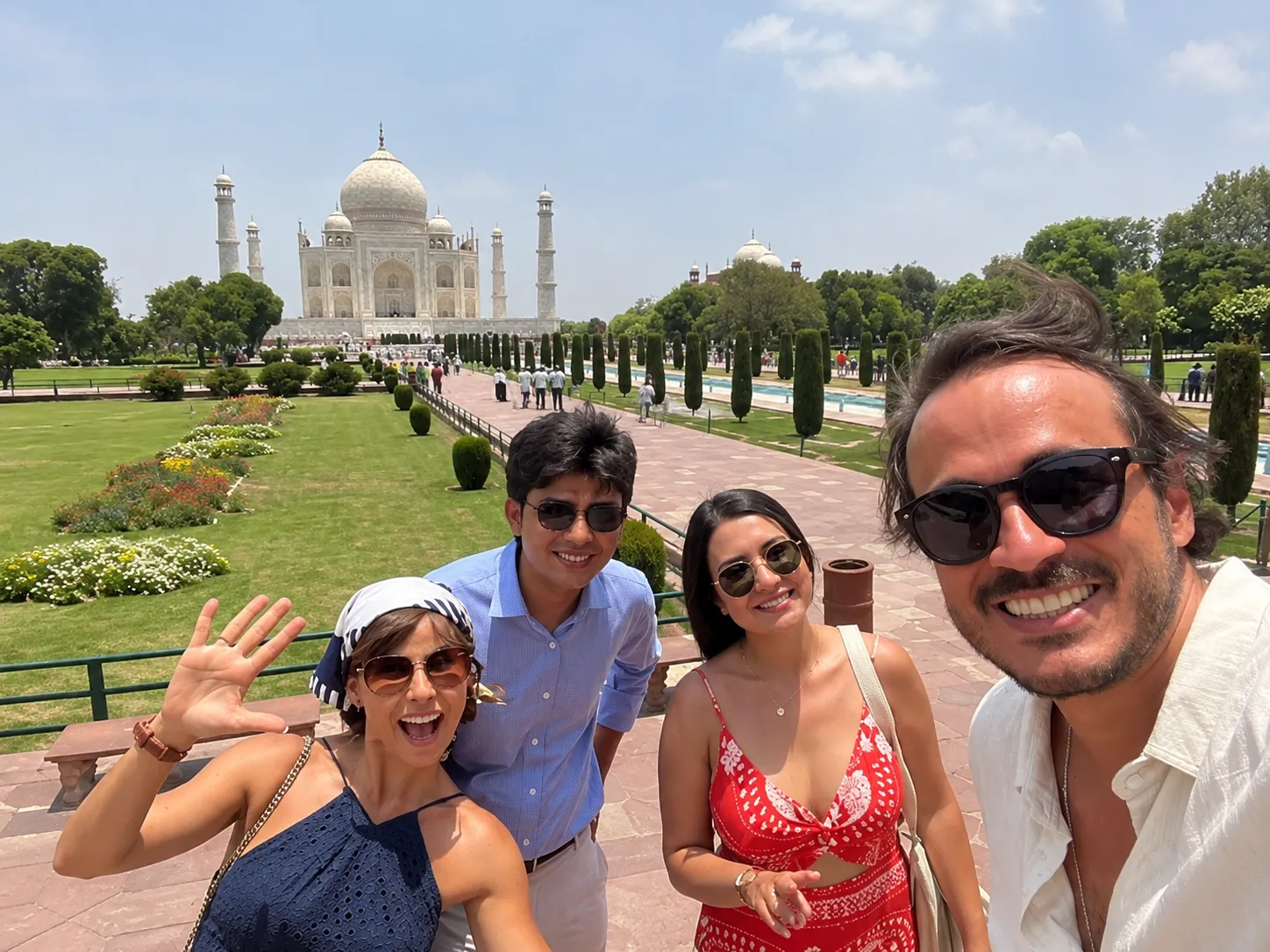
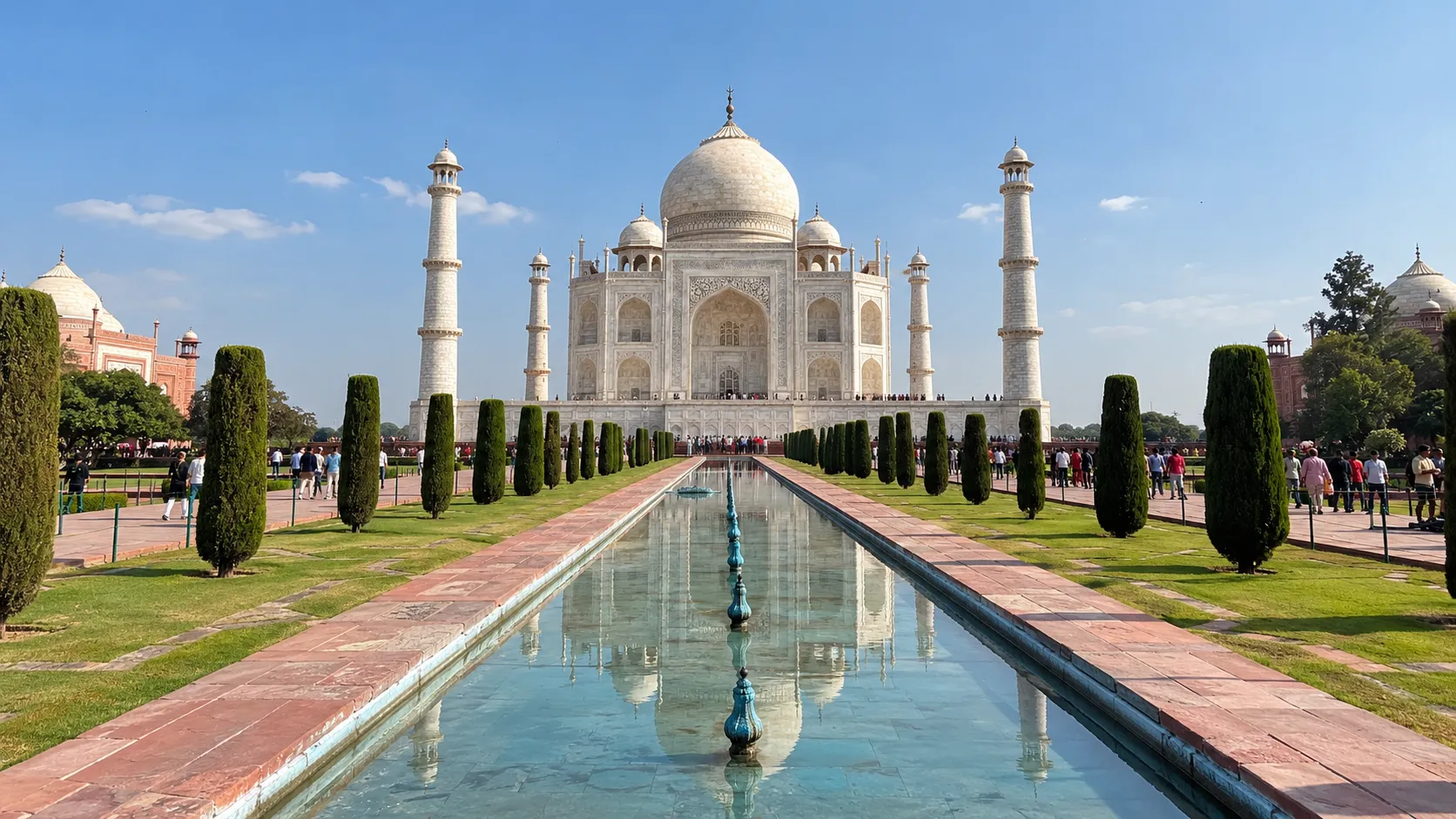
Agra is best known for the Taj Mahal, one of India’s most recognised landmarks. Visitors can also explore Agra Fort, admire Mughal architecture and discover local crafts and traditional food.
If the Taj Mahal is a priority, allow enough time to enjoy the monument without rushing through the visit. An early start can be particularly worthwhile, especially during warmer months.
Delhi: History and Modern India
Delhi brings together historic monuments, busy markets, museums, food streets and modern neighbourhoods. Depending on your interests, you might visit Humayun’s Tomb, Qutub Minar, India Gate or the historic lanes of Old Delhi.
Because the city is large, grouping nearby attractions together can save considerable travel time.
Jaipur: Rajasthan’s Royal Heritage
Jaipur, often called the Pink City, is known for its distinctive architecture, forts, palaces and colourful bazaars. Amber Fort, Hawa Mahal and the City Palace are among its popular attractions.
Give yourself time to explore beyond the main monuments. Local markets, traditional crafts and regional cuisine can make the experience more personal.
2. Consider the Golden Triangle Route
The Golden Triangle is one of the most popular travel routes in India. It connects Delhi, Agra and Jaipur, forming a convenient introduction to the country’s architecture, history and cultural diversity.
The route works well for travellers who want to experience several major destinations without planning an entirely separate itinerary for each city.
For a short trip, you may need to prioritise the most important attractions. With more time, you can enjoy relaxed sightseeing, explore local neighbourhoods and include additional experiences along the way.
When planning your route, consider the distance between destinations, traffic conditions, departure times and how much sightseeing you want to fit into each day. A well-paced itinerary is usually more enjoyable than one that tries to cover too much.
3. Choose the Right Time to Travel
The best time to visit India depends on the region, your preferred activities and how comfortable you are with different weather conditions.
For many travellers exploring Delhi, Agra and Jaipur, the cooler months from October to March are popular for sightseeing. Daytime conditions are often more comfortable than during the peak summer heat, although winter mornings in northern India can be cold or foggy.
April to June can bring high temperatures, particularly in Rajasthan and Agra. If travelling during this period, plan outdoor sightseeing for earlier in the day, carry water and allow time for breaks.
The monsoon season can bring heavy rain and changes to travel conditions in some regions. It may also offer greener landscapes and a different atmosphere.
Before departure, check local weather forecasts, monument opening information and any seasonal travel advisories relevant to your dates.
4. Plan Your Transport Between Cities
Transport is one of the most important parts of an India itinerary. Depending on the route, you may travel by train, private car, taxi or a combination of options.
Trains can be useful for certain intercity journeys, but availability, departure times and station transfers need to be considered. Private road transport offers greater flexibility for sightseeing stops and direct transfers between destinations.
For example, travellers visiting Agra from Delhi may prefer a same-day excursion, an overnight stay or a longer itinerary that continues towards Jaipur. The right choice depends on your schedule, budget and preferred pace.
If you arrange a private car or driver, confirm what the service includes, such as waiting time, sightseeing stops, parking charges, tolls and intercity transfers. Clear arrangements before departure help avoid confusion later.
For airport and railway station pickups, share your arrival details in advance and allow extra time for delays or traffic.
5. Decide Whether You Need a Guide
A local guide can add context that you might otherwise miss when visiting historic places. Architecture, inscriptions, local traditions and the stories behind monuments often become more interesting when someone explains their significance.
A guide may be particularly useful at the Taj Mahal, Agra Fort, Amber Fort and other major heritage attractions.
Choose a guide based on your preferred language, the places you want to visit and the type of experience you expect. If you prefer independent exploration, you can also combine guided visits at selected monuments with free time elsewhere.
Before confirming a service, check the guide’s credentials where applicable, the duration of the visit and whether entry tickets are included or need to be arranged separately.
6. Choose Accommodation That Fits Your Route
Your accommodation can influence how much you enjoy a trip. A hotel near the places you plan to visit may save time, especially when sightseeing starts early or your schedule includes several stops.
Think about location, cleanliness, comfort, accessibility, breakfast arrangements and transport access rather than choosing solely on photographs.
If your itinerary includes several cities, consider how hotel check-in and check-out times fit with your travel schedule. You may prefer a central location in one city and a quieter property in another.
Travellers booking a tour package should clarify whether accommodation is included, which hotel category is offered and whether meals, taxes or additional charges are covered. Ask about cancellation terms before confirming the arrangement.
7. Create a Realistic Sightseeing Schedule
It is tempting to fill every day with attractions, but an overpacked itinerary can leave little time to enjoy the places you came to see.
Start by listing your priorities for each destination. Then group nearby attractions together and leave some flexibility for meals, traffic, shopping and unexpected discoveries.
For instance, a day in Agra might focus on the Taj Mahal and Agra Fort, while a Jaipur itinerary could combine Amber Fort with selected city attractions and local markets. The exact schedule will depend on opening hours, travel time and your interests.
Check official visitor information before your trip, particularly for monument closures, ticketing arrangements and restricted entry times.
Remember that travel is not only about how many places you visit. Sometimes a relaxed walk through a historic neighbourhood or an unplanned stop for local food becomes one of the most memorable parts of the journey.
8. Prepare for Local Customs and Everyday Travel
India’s regions have different languages, food traditions, customs and daily routines. Approaching these differences with curiosity and respect can make your visit more rewarding.
Dress appropriately when visiting religious places, follow local photography rules and ask permission before photographing people. Keep your valuables secure in crowded areas and use reputable transport providers.
Carry essential medicines, travel documents, booking confirmations and emergency contact details. Keep digital copies of important documents somewhere secure.
When trying street food, choose vendors with good food-handling practices and freshly prepared dishes. Drink safe water and take sensible precautions suited to the conditions of your trip.
It is also helpful to keep some flexibility in your schedule. Traffic, weather and transport delays can occur, particularly in busy cities.
9. Consider a Tour Package or Customised Itinerary
Organising a trip independently can work well for travellers who enjoy researching every detail. Others may prefer assistance with transport, sightseeing, guides and accommodation arrangements.
A tour package can bring these elements together into a planned route, while a customised itinerary offers more flexibility around your interests, travel dates and preferred pace.
Before choosing a package, review the destinations, inclusions, transport arrangements, accommodation details and cancellation terms. Confirm which services are included in the quoted price and which require separate payment.
For travellers exploring Agra, Delhi, Jaipur and the Golden Triangle, a thoughtfully planned itinerary can help coordinate the journey while leaving room to enjoy each destination.
Atul Holidays offers tour experiences and travel services for visitors exploring these destinations. Travellers can enquire about suitable tour options, local guides, car rental, transfers and accommodation arrangements associated with tour packages.
Make Your India Journey Count
Planning a trip to India does not require visiting every famous landmark. The best journeys are shaped around the places, experiences and pace that matter most to you.
Start with a realistic route, choose transport that suits your needs, allow enough time for sightseeing and check essential arrangements before departure. With the right preparation, exploring Agra’s Mughal heritage, Delhi’s historic landmarks and Jaipur’s royal architecture can become a memorable introduction to India.
If you are considering a trip through northern India, explore the available tour packages and travel options with Atul Holidays to find an itinerary that fits your plans.