

Travelling with family is an opportunity to spend quality time together, discover new places and create memories that last long after the holiday ends. India offers plenty of options for a family vacation, from historic monuments and colourful markets to scenic landscapes, cultural experiences and exciting wildlife destinations.
However, a family trip needs a little more planning than travelling alone. Children may need regular breaks, older family members may prefer a relaxed schedule, and everyone may have different interests. Choosing the right destinations, transport and accommodation can make the journey more comfortable for the whole group.
Whether you are planning a short break in Agra, a city holiday in Delhi or Jaipur, or a multi-city Golden Triangle tour, this guide will help you organise a practical family trip to India.
1. Choose Destinations That Suit Everyone
Start by discussing what your family would enjoy most. Some travellers prefer history and architecture, while others enjoy shopping, food, nature or outdoor activities.
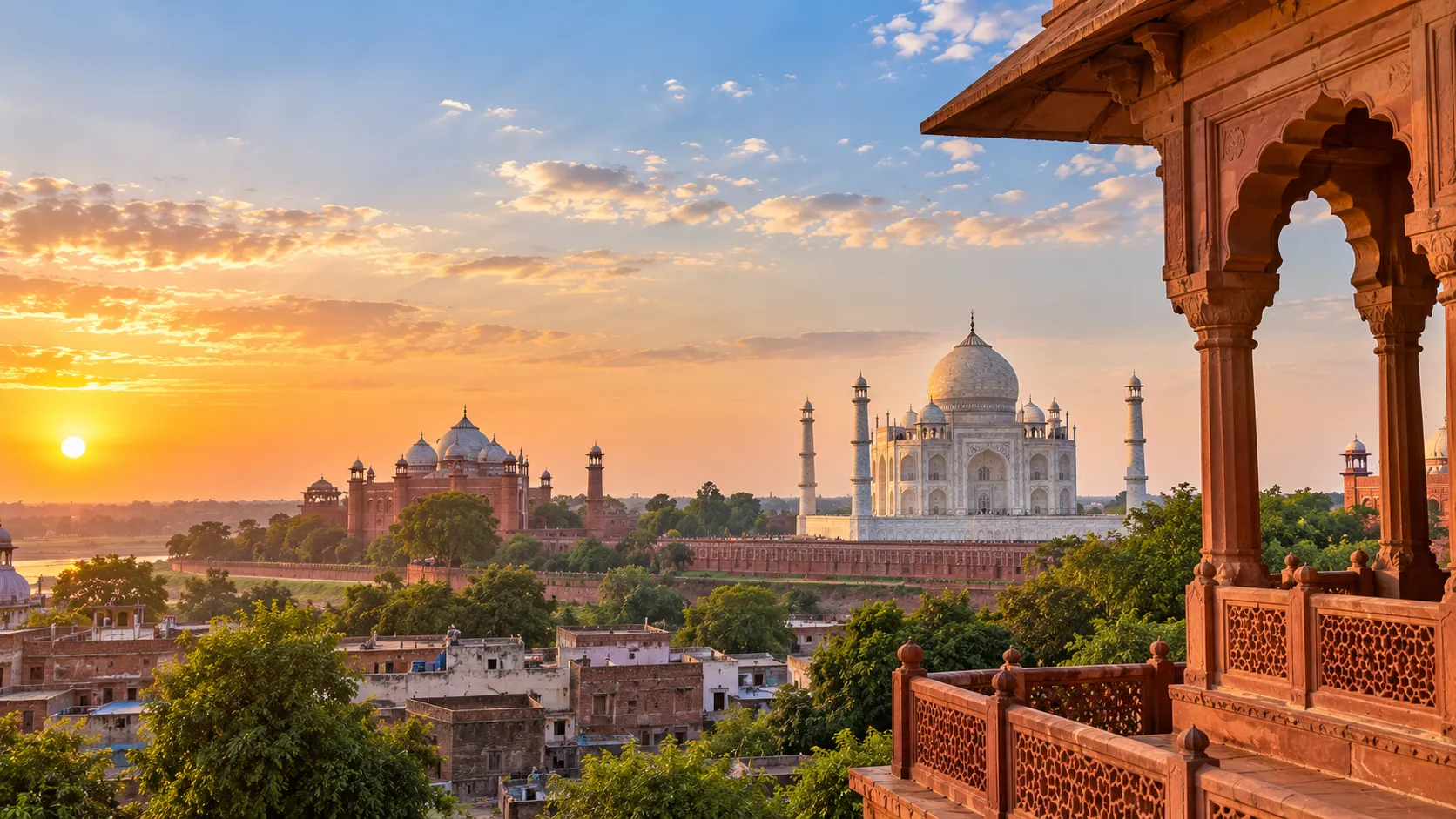
Agra is a popular choice for families interested in the Taj Mahal, Agra Fort and Mughal history. Delhi offers a mix of historic landmarks, museums, gardens and modern attractions. Jaipur introduces visitors to Rajasthan’s forts, palaces, colourful markets and traditional culture.
For families with more time, combining Delhi, Agra and Jaipur creates a varied holiday with different experiences in each city. This route is commonly known as the Golden Triangle.
When selecting destinations, consider travel distances, the ages of children, mobility requirements and the number of days available. It is usually better to explore a few places properly than rush through a long list of attractions.
2. Decide the Best Time for Your Family Holiday
Weather can influence how comfortable your family trip will be, particularly when your itinerary includes outdoor sightseeing.
October to March is generally a popular period for visiting northern destinations such as Agra, Delhi and Jaipur, as daytime conditions are often more comfortable. Winter mornings can be cold, and fog may occasionally affect visibility and transport schedules.
April to June can bring very high temperatures. If you travel during this period, plan outdoor activities earlier in the day, carry drinking water and schedule time to rest indoors.
The monsoon season brings rainfall that varies by destination and year. Check the local forecast before planning outdoor activities or long road journeys.
School holidays and festival periods can also affect accommodation availability and prices. If you have fixed travel dates, booking important arrangements in advance can make planning easier.
3. Plan a Comfortable Daily Itinerary
One of the most common mistakes when planning a family holiday is trying to fit too many activities into a single day.
Children may need time for meals, rest and unexpected breaks. Older travellers may prefer fewer walking-intensive attractions or more time at each location.
Instead of scheduling every hour, choose two or three main activities and leave room for flexibility. For example, a family visiting Agra might prioritise the Taj Mahal and Agra Fort, with another attraction added only if time and energy allow.
In Jaipur, group nearby attractions where possible to reduce time spent travelling across the city. In Delhi, consider the distance between historic sites and the traffic conditions before planning your route.
Check monument opening hours, ticket requirements and weekly closures before departure. A well-paced itinerary allows everyone to enjoy the experience rather than feeling rushed.
4. Choose Family-Friendly Accommodation
The right accommodation can make a family trip significantly easier. Look beyond photographs and compare the facilities that matter to your group.
Consider room size, bed arrangements, bathroom facilities, cleanliness, location and access to restaurants. Families with younger children may prefer properties that offer lifts, convenient dining and a straightforward route to major attractions.
If you are travelling with grandparents, ask about accessibility, stairs, walking distances and suitable room locations. Confirm these details directly with the property rather than assuming that every listed facility will meet your needs.
Location also matters. Staying reasonably close to your planned sightseeing area may reduce long daily transfers and give everyone more time to relax.
Before confirming a reservation, check the maximum room occupancy, additional bed charges, meal arrangements and cancellation terms.
5. Select the Right Transport for Your Group
Transport can affect the pace and comfort of a family holiday, especially when visiting several cities.
A private car with a driver can be useful for families who want flexible sightseeing stops, convenient luggage handling and direct travel between destinations. It may also make it easier to adjust the schedule around children’s needs or older family members.
Trains can be suitable for longer journeys between cities, depending on available routes, departure times and ticket availability. Within busy urban areas, local taxis and other transport options may be practical for shorter trips.
Before booking a vehicle, confirm the seating capacity, luggage space, route, journey duration and what is included in the quoted price. If travelling with young children, arrange appropriate child safety seats where available and legally required.
Build extra time into the schedule for traffic, station transfers and rest stops. A realistic travel plan is particularly valuable when your group includes people with different needs.
6. Pack Essentials for Children and Older Travellers
Packing thoughtfully can prevent small problems from becoming major inconveniences during the trip.
For children, consider carrying snacks, a refillable water bottle, a change of clothes, entertainment for long journeys and any essential personal medication. Keep important items in a day bag so they are easy to access during sightseeing.
For older family members, consider comfortable walking shoes, weather-appropriate clothing, necessary medication and any mobility aids they regularly use.
Sunscreen, sunglasses, hats and suitable layers are useful depending on the season. If your itinerary includes historic forts or monuments, comfortable footwear is particularly important because some sites involve considerable walking and uneven surfaces.
Keep travel documents, booking confirmations and emergency contact details accessible. Carry digital backups of important documents, while storing originals securely.
Avoid packing more than you need. Manageable luggage makes transfers between hotels and cities much easier.
7. Keep Meals and Rest Breaks in Mind
Food and rest are important parts of a successful family itinerary. Long sightseeing days can become tiring when meals are delayed or there is no time to sit down between attractions.
Research dining options near your planned stops and consider your family’s preferences and dietary requirements. If anyone has food allergies, confirm ingredients before ordering.
Try regional dishes when appropriate, but choose establishments that maintain good hygiene and serve freshly prepared food. Carry suitable snacks for children and keep drinking water available from reliable sources.
Plan breaks around the warmest part of the day during hot weather. A relaxed lunch or a short rest at the hotel may make the afternoon more enjoyable.
Rather than treating meals as something to fit in between activities, include them in the day’s schedule from the beginning.
8. Balance Famous Attractions with Experiences for Everyone
A family holiday becomes more enjoyable when it includes different types of activities rather than only visiting monuments.
Historic attractions can introduce children to India’s past, while gardens, museums, craft demonstrations and local markets offer other ways to explore a destination.
In Agra, families can learn about Mughal architecture and visit important historic sites. Jaipur offers opportunities to explore royal heritage and traditional crafts. Delhi provides a mix of history, cultural attractions and modern city experiences.
Choose activities according to the interests and energy levels of your group. If younger children find a long guided tour tiring, consider a shorter visit or a break between attractions.
Also check age restrictions, accessibility, photography rules and other visitor requirements before arranging special activities.
9. Set a Realistic Family Travel Budget
A family travel budget should include more than flights or transport and hotel rooms. Account for meals, entry tickets, local transfers, activities, snacks and unexpected expenses.
When comparing tour packages, check exactly what is included. Transport, accommodation, sightseeing, guide services, meals and monument tickets may be covered differently by different providers.
Ask about additional charges before confirming a booking. A clear breakdown makes it easier to compare options and avoid misunderstandings during the trip.
You do not need to choose the most expensive option to enjoy a comfortable holiday. Prioritise the arrangements that make the greatest difference to your family, such as a convenient location, reliable transport and a manageable daily schedule.
Keep a small allowance for unplanned expenses or activities that you discover along the way.
10. Keep Safety and Communication a Priority
Before travelling, share the itinerary and important booking details with the family members involved. Make sure everyone knows the hotel name and has a way to contact the group if separated.
Keep valuables secure in crowded markets and transport hubs. Agree on a meeting point when visiting busy attractions, especially with younger children.
Check current travel advice, weather conditions and local visitor rules before departure. Save accommodation and transport contact details on your phone, and carry a backup where practical.
Families with specific medical or accessibility requirements should plan these needs in advance and confirm available facilities with the relevant providers.
Good preparation helps you respond calmly if plans change and gives everyone greater confidence throughout the journey.
Plan Your Next Family Trip with Atul Holidays
A memorable family trip to India does not require an exhausting schedule. It starts with destinations that suit everyone, comfortable accommodation, reliable transport and enough flexibility to enjoy each experience at your own pace.
From exploring the Taj Mahal in Agra to discovering Delhi’s landmarks and Jaipur’s royal heritage, the Golden Triangle offers a rewarding introduction to India’s history and culture.
Atul Holidays offers tour options and travel services for families exploring Agra, Delhi, Jaipur and nearby destinations. You can enquire about private transport, local guides and customised itineraries to help coordinate your holiday around your family’s interests, travel dates and preferred pace.